International Committee
Steering Committee

Ross W. Boulanger
Boulanger is a geotechnical consultant and a Distinguished Professor Emeritus in the Department of Civil and Environmental Engineering at the University of California, Davis, where he was on the faculty for over 30 years. He has over 300 publications, primarily related to liquefaction and its remediation, seismic performance of dams and levees, and seismic soil-structure interaction. His honors include the Peck Award from ASCE, the Ishihara Lecture from ISSMGE, and election to the US National Academy of Engineering.


Jonathan Bray
Jonathan Bray, Ph.D., P.E., NAE is the Faculty Chair in Earthquake Engineering Excellence at the University of California, Berkeley. Dr. Bray is a registered professional civil engineer and has served as a consultant on important engineering projects and peer review panels. He has authored more than 490 research publications on topics that include liquefaction and its effects on structures, seismic performance of dams, earthquake ground motions and site effects, and earthquake fault rupture propagation. He created and led the Geotechnical Extreme Events Reconnaissance (GEER) Association. Dr. Bray is a member of the U.S. National Academy of Engineering and has received several honors, including the Seed Medal, Terzaghi Award, Ishihara Lecture, Peck Award, Joyner Lecture, Middlebrooks Award, Huber Research Prize, Packard Foundation Fellowship, and NSF Presidential Young Investigator Award.

Misko Cubrinovski
Professor Misko Cubrinovski is internationally recognized for his contributions to earthquake geotechnical engineering. His nearly 40-year career spans Europe, Japan, and New Zealand, where he led significant research on soil liquefaction following the Canterbury earthquakes (2010-2011) and the Kaikōura earthquake (2016). In 2018, he received the highest honor from the New Zealand Geotechnical Society for his national contributions. His technical expertise and leadership have had a global impact, fostering international collaboration in the field.


Ellen M. Rathje
Dr. Rathje is the Janet S. Cockrell Centennial Chair in Engineering in the Fariborz Maseeh Department of Civil, Architectural, and Environmental Engineering at the University of Texas at Austin (UT). She has expertise in the areas of seismic site response analysis, seismic slope stability, engineering seismology, and liquefaction. Dr. Rathje is a founding member and previous Co-Chair of the Geotechnical Extreme Events Reconnaissance (GEER) Association, and currently the Principal Investigator for the DesignSafe cyberinfrastructure that supports research in natural hazards. Her awards include the 2022 Peck Lecture Award from the ASCE Geo-Institute and the 2018 William B. Joyner Lecture Award from the Seismological Society of America and the Earthquake Engineering Research Institute. She was elected Fellow of the American Society of Civil Engineers in 2016 and she was elected to the US National Academy of Engineering in 2025.

Ikuo Towhata
Prof. Towhata was a professor of civil engineering at the University of Tokyo until 2015. After 2015, he has been working for private sectors together with several engineering/academic societies, including the Japanese Geotechnical Society as the president and the Int. Soc. Soil Mech. Geotech. Engg. as a vice president. His recent interests lie in geotechnical earthquake engineering, mitigation of slope disasters and the engineering perspective of tectonic action of the earth crust. He has authored more than 500 academic papers in international journals and conferences together with two books entitled ‘Geotechnical Earthquake Engineering’ (2008, Springer) and ‘Coseismic landslides: phenomena, long-term effect and mitigation’ (with 17 coauthors with three coeditors, 2022, Springer). He was the Ishihara Lecture of TC203, ISSMGE, in 2019.


Lanmin Wang
Lanmin Wang is professor of Lanzhou Institute of Seismology, CEA, in China. He is members of TC203, TC208, and ATC3, ISSMGE. He is a standing member of China Society on Soil Mechanics and Geotechnical Engineering. He was director of Lanzhou Institute of Seismology, China Earthquake Administration, from 2004 to 2017.
He received his Ph.D. in geotechnical engineering from the Institute of Engineering Mechanics, China Earthquake Administration, in 2000. His research interests include soil dynamics and geotechnical earthquake engineering, especially seismic landslides, liquefaction and subsidence of loess sites. He has authored 4 books, including Loess Dynamics and more than 200 papers. He won National Scientific and Technological Progress Award of China in 2002, 6 Provincial and Ministry‘s Scientific and Technological Progress Awards from 1998 to 2016, and the honors of “The National Outstanding Scientists in Earthquake Science and Technology ” respectively in 2007 and 2017.

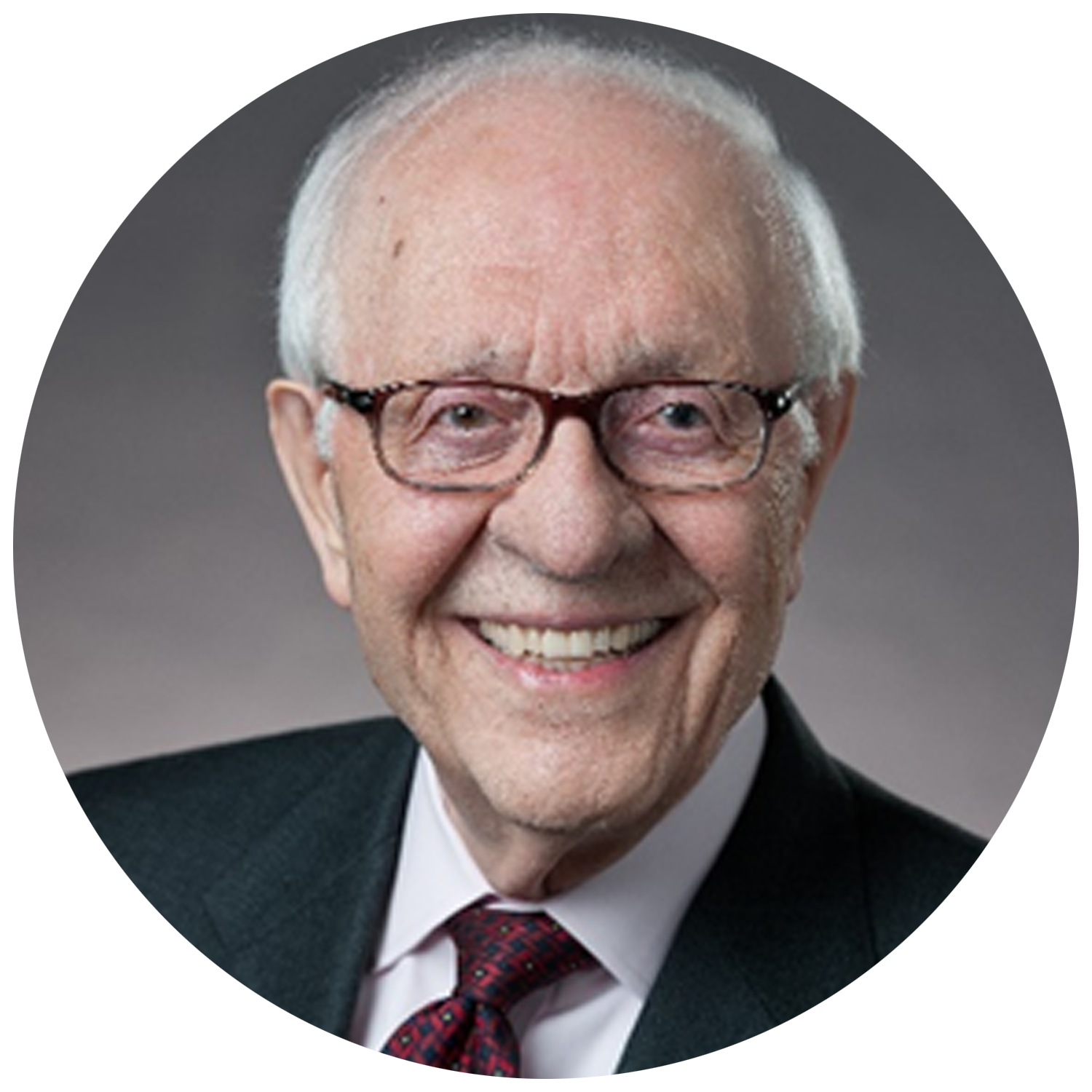
Izzat M. Idriss
Professor Emeritus of Civil Engineering at the University of California at Davis and independent consulting geotechnical engineer, currently residing in Santa Fe, New Mexico, USA. His areas of teaching, research and practice are: geotechnical earthquake engineering; soil mechanics and foundation engineering; earthfill and rockfill dam engineering; and numerical modeling.
He has developed or co-developed many of the currently used procedures for evaluating the behavior of soil sites and soil structures during earthquakes and has authored or co-authored about 250 technical papers and research reports on subjects related to the geotechnical aspects of earthquake engineering.
He has received many awards and honors over the past fifty years: Member of the US National Academy of Engineering; Distinguished Member of ASCE; and Honorary Member of the Earthquake Engineering Research Institute (EERI), the Japanese Geotechnical Society, and the International Association for earthquake Engineering. He has given the Seed, Peck, Terzaghi, Ishihara and Carrillo Lectures.
Scientific Committee

Ioannis Anastasopoulos
Ioannis Anastasopoulos has been Full Professor of Geotechnical Engineering at ETH Zurich since 2016. Since 2023, he is also Head of the Department of Civil, Environmental and Geomatic Engineering. He specializes in geotechnical earthquake engineering and soil–structure interaction, combining numerical with experimental methods. His research interests include resilient seismic design and mitigation, faulting and its effects on structures, offshore geotechnics, tsunamis, scouring of foundations, and soil liquefaction. He is the inaugural recipient of the ISSMGE Young Researcher Award in Geotechnical Earthquake Engineering, and winner of the 2012 Shamsher Prakash Research Award. His consulting work ranges from the design of pile-rafts of tall buildings, to bridge foundations, metro stations, tunnels, quay walls, and special design against faulting. He is Editor-in-Chief of Soil Dynamics and Earthquake Engineering, and has been Associate Editor in several Journals, including Géotechnique. He is a Director of IAEE and Chair of ISSMGE TC104 on Physical Modelling.

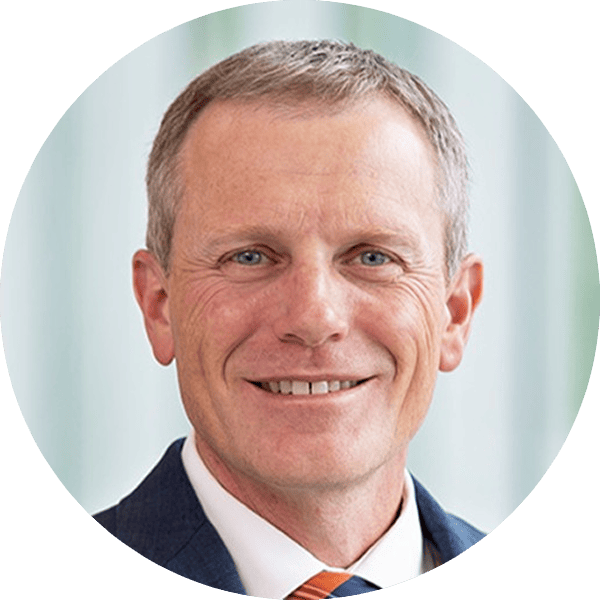
Brady R. Cox
Dr. Cox is a Professor in the Civil and Environmental Engineering Department at Utah State University (USU) and the founding director of the new Utah Earthquake Engineering Center. Dr Cox specializes in issues related to seismic design and in-situ site characterization for major civil infrastructure projects and critical nuclear facilities. His research efforts combine experimental field testing with computational analyses for subsurface imaging purposes and multi-dimensional seismic wave propagation simulations. He has led teams deployed to collect seismic site characterization data at ground motion recording stations, soil liquefaction sites, and structural failures following significant earthquakes in the U.S. and around the world. Dr Cox is a recipient of the Presidential Early Career Award for Scientist and Engineers (PECASE), which he received in a ceremony at the White House from President Barack Obama. He has authored over 150 peer-reviewed publications and has taught eight different courses at the undergraduate and graduate levels at three different universities.

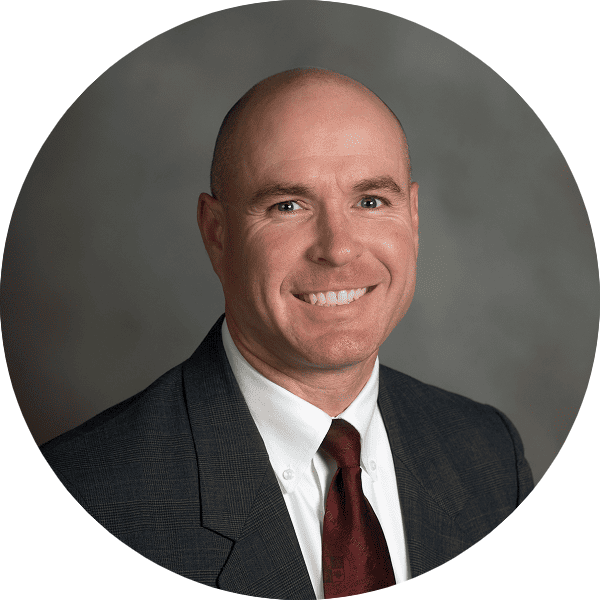
Russell A. Green
Dr. Russell Green is the Charles E. Via, Jr. Professor of Civil and Environmental Engineering at Virginia Tech, Blacksburg, VA, in the Geotechnical Engineering Program area. He was previously on the faculty at the University of Michigan and has held visiting faculty positions at Chuo University, Tokyo, Japan, the University of Canterbury, Christchurch, New Zealand, and the University of Auckland, Auckland, New Zealand. The primary focus of Russell’s research is in the areas of geotechnical earthquake engineering, and soil and site improvement. He has participated in post-earthquake investigations in the US, Iceland, Haiti, Japan, and New Zealand, and holds two US patents related to liquefaction mitigation measures. Russell received his bachelor’s degree in civil engineering from Rensselaer Polytechnic Institute, his master’s degree from the University of Illinois at Urbana-Champaign, and his PhD from Virginia Tech. Russell is a registered professional engineer in Virginia and a veteran of the United States Marine Corps.
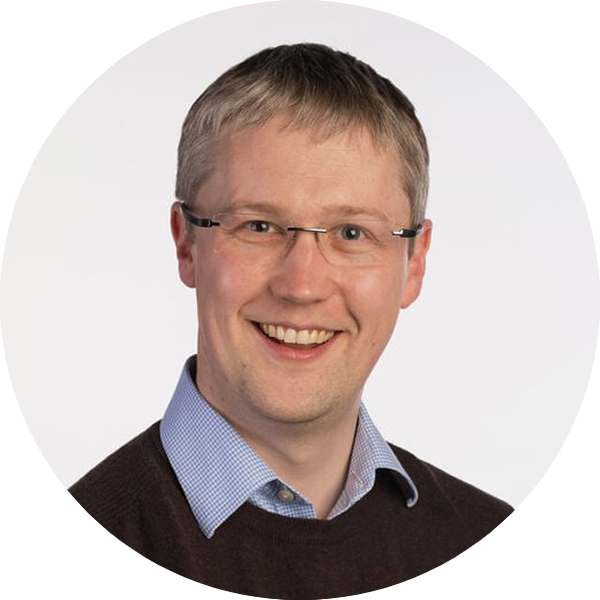
Jonathan Knappett
Jonathan joined the University of Dundee as a Lecturer in 2006, following MEng and PhD degrees at the University of Cambridge, and was promoted to Professor of Civil Engineering in 2018. In January 2026 he will move to the University of Oxford. His research interests including liquefaction and its effects on foundations and structures, urban earthquake engineering (structure-soil-structure interaction and underground tunnel systems) and protection of slopes (including the use of nature-based solutions). He is the recipient of the 2010 TK Hsieh Award for Civil Engineering Dynamics (ICE/IStructE, UK), 2018 TC203 Young Researcher Award, 2024 Telford Gold Medal (ICE, UK) and in 2017 he gave the 13th Géotechnique Lecture. He was Chairman of the Editorial Panel of the International Journal of Physical Modelling in Geotechnics (2014-2018) and is a Corresponding Member of TC203. He is a Chartered Engineer and a co-author of Design of Piles in Liquefiable Soils.

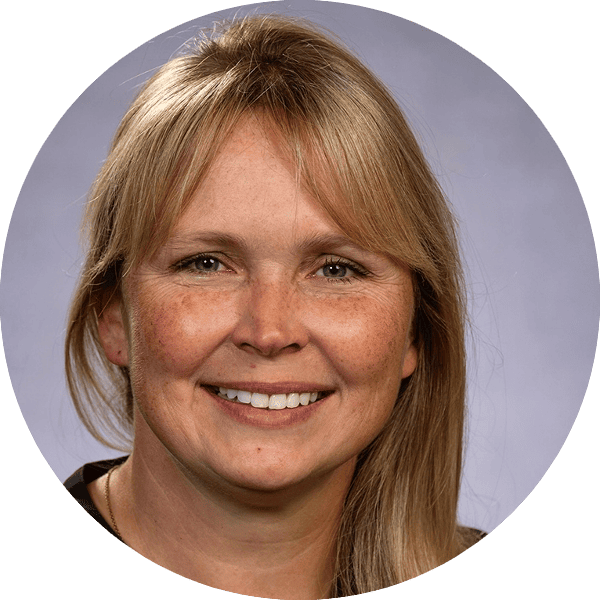
Anne Lemnitzer
Anne Lemnitzer is an Associate Professor at the University of California, Irvine (USA). Her primary research interests include experimental soil-structure-interaction, underground structures, deep foundations, and sensor instrumentation. She serves as Co-editor in Chief for the Deep Foundations Journal, Associate Editor for the ASCE’s Journal of Geotechnical & Geoenvironmental Engineering (JGGE), Reconnaissance lead for a multitude of hazard events (seismic and flood), and Past Chair of the Geo-Institute’s Earth Retaining Structures Technical Committee. At UC Irvine she teaches undergraduate and graduate coursework in geotechnical and geo-structural engineering.
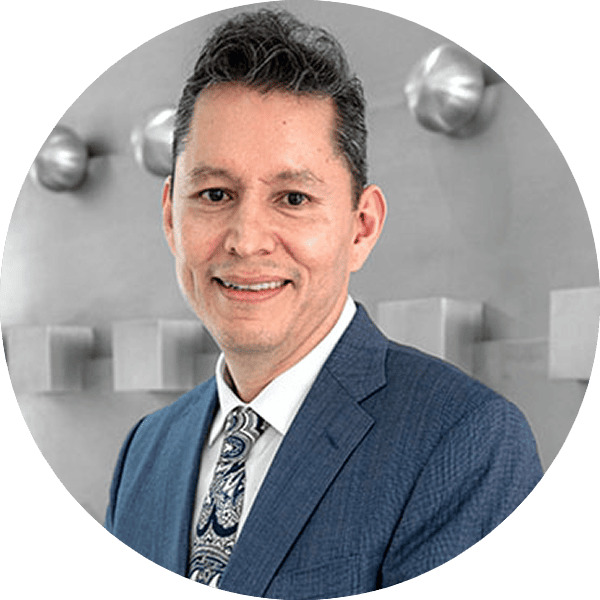
Juan Manuel Mayoral Villa
Dr. Mayoral is a distinguished civil and geotechnical earthquake engineer with a 30-year career. As a researcher at UNAM's Institute of Engineering and an independent consultant, his expertise covers numerical modeling, seismic soil-structure interaction, and the resilient design of strategic infrastructure (tunnels, bridges, dams). A PhD graduate from UC Berkeley, he has led over 51 research projects, supervised numerous graduate students, published more than 200 papers, and coordinated international reconnaissance teams, such as after the 2017 Puebla-Mexico City earthquake. He is also the leader of the Advanced Numerical Modeling and Instrumentation Group at UNAM.

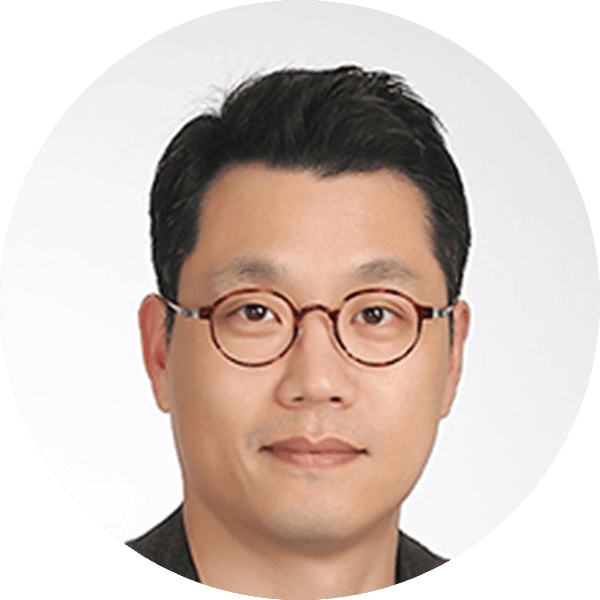
Duhee Park
Duhee Park holds a B.S. (1996) from Hanyang University, an M.S. (1998) in structural engineering from the University of California at Berkeley, and a M.S. (2000) and a Ph.D. (2004) in civil engineering (geotechnical engineering) from the University of Illinois at Urbana-Champaign. He joined the faculty of the Department of Civil and Environmental Engineering at Hanyang University in 2005. His fields of expertise include ground response analysis, seismic performance analysis of underground structures, liquefaction assessment, seismic slope stability, and probabilistic seismic hazard analysis. He uses both the physics-based approach utilizing high-fidelity numerical models and data-driven procedures involving machine learning algorithms. Professor Park has received a number of awards from the university, government, and technical societies including Korean Society of Civil Engineering, Korean Geotechnical Society, and Earthquake Engineering Society of Korea. He is currently a member of the National Academy of Engineering of Korea.

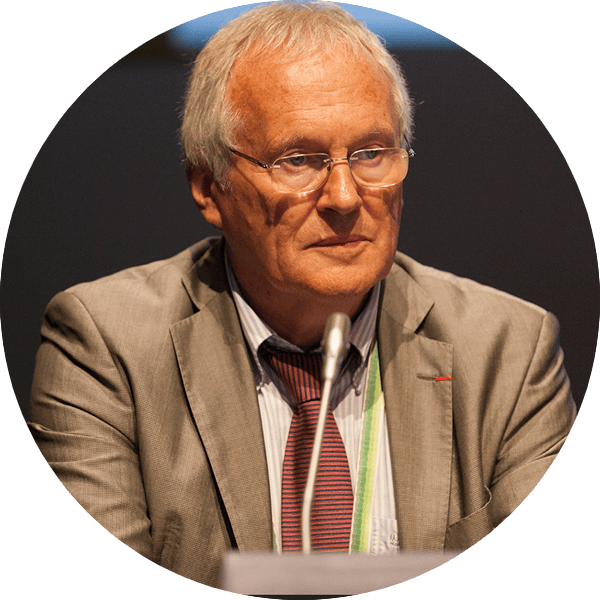
Alain Pecker
Graduated from Ecole Nationale des Ponts et Chaussées (France) in 1972 and obtained a Master of Science degree from the University of California, at Berkeley in 1973. Until 2015 he was Chairman and Managing Director of Géodynamique et Structure, a French engineering consulting firm in Earthquake Engineering that he founded 45 years ago; upon retiring he became independent consultant.
Alain Pecker is Past President of the French Society of Soil Mechanics and Geotechnical Engineering, Honorary President of the French Association on Earthquake Engineering and member of the executive committee of the European Association for Earthquake Engineering. He is a member of the drafting panel of Eurocode 8 and President of the French Committee for seismic codes. He is also Honorary Professor at Ecole Nationale des Ponts et Chaussées and has been elected Member of the French National Academy of Technologies in 2000.

Rafael Sharafutdinov
Dr. Rafael Sharafutdinov is a highly accomplished geotechnical engineer and researcher, holding a Ph.D. in Soil Mechanics and serving as the Director of the Gersevanov Research Institute (NIIOSP) in Moscow. With expertise in complex nonlinear soil modeling, his professional work focuses on the design and safety of foundations and underground structures for major projects like the Luzhniki Stadium and Olympic facilities in Sochi. A prolific author with numerous publications in leading international journals and conferences, he is a prominent figure in the geotechnical community, frequently organizing and moderating key industry forums such as the 100+TechnoBuild conference and the Russian Forum of Soil Investigators. His research interests are extensive, covering pile foundation behavior, soil creep, seismic liquefaction mitigation, and the validation of advanced soil models through laboratory and field data.

Francesco Silvestri
Professor Francesco Silvestri is a leading expert in geotechnical engineering at the University of Napoli "Federico II," where he also earned his Ph.D. His career, which includes a professorship at the University of Calabria, is dedicated to experimental and analytical research in earthquake geotechnical engineering, focusing on seismic slope stability, liquefaction, and soil-structure interaction. Professor Silvestri is a prominent figure in the international community, demonstrated by his role as Chairman of the 7th International Conference on Earthquake Geotechnical Engineering, his membership on technical committees like ISSMGE TC203, and his frequent invitations as a keynote and reporter at premier international conferences.

Rui Wang
Rui is a Professor at Tsinghua University. He received his Ph.D. from Tsinghua University in 2014. He has also worked as a visiting scholar at UCLA, UC Davis, and Lawrence Livemore National Laboratory, USA in 2011-2012, and 2014-2015. His research mainly focuses on geotechnical earthquake engineering and soil liquefaction. He is the recipient of the International Society for Soil Mechanics and Geotechnical Engineering (ISSMGE) TC203 Young Researcher Award and ISSMGE Bright Spark Lecture Award. He is a recipient of the National Science Fund for Distinguished Young Scholars and the Excellent Young Scientists Fund Program from the National Nature Science Foundation of China. Currently, he serves as the secretary general for the Chinese Institution of Soil Mechanics and Geotechnical Engineering (CISMGE) and the secretary for TC210 of ISSMGE.


Domniki Asimaki
Domniki Asimaki is a Professor of Mechanical and Civil Engineering at the California Institute of Technology, and the Chair in Geotechnical Earthquake Engineering at Imperial College London. She holds a Ph.D. in Civil Engineering from the Massachusetts Institute of Technology. Her research lies at the interface of geotechnical engineering and engineering seismology. She is the recipient of many awards and recognitions and the author and co-author of more than 150 journal papers in geotechnical engineering, mechanics, physics of solids, metamaterials, machine learning and seismology

Sonja Zlatovic
Dr. Sonja is a geotechnical engineering expert with a PhD from the University of Tokyo. She was a professor at the Zagreb University of Applied Sciences (2003-2023) and held leadership roles, including Vice-Rector. She is a key organizer of international geotechnical conferences, including leading the upcoming 2029 Earthquake Geotechnical Engineering conference in Croatia.


Takashi Kiyota
Prof. Kiyota has started Geo-disaster Mitigation Engineering Laboratory at Institute of Industrial Science, the University of Tokyo in 2010, and has conducted extensive experimental research on soil liquefaction and mitigation of the earthquake geotechnical damage. He has extensive practical expertise and strong interactions with key stakeholders and end users in Japan. He has received several academic awards for his research from the Japan Society of Civil Engineers (JSCE), the Japan Geotechnical Society (JGS), and Ministry of Education, Culture, Sports, Science and Technology, Japan (MEXT). He has also led JGS and JSCE investigation teams and international collaborative research groups focusing on ground motion characteristics, landform changes, and soil dynamics not only within Japan but also for major earthquakes worldwide, such as the 2018 Sulawesi earthquake in Indonesia and the 2023 Turkey-Syria earthquake. He is currently a nominated member of TC203 (Earthquake) and TC221 (Tailing and Mine Wastes) of ISSMGE.


Wei F. Lee
Dr. Wei F. Lee holds a Ph.D. from the University of Washington and is the Deputy General Manager of two prominent Taiwanese firms: Ground Master Construction and MICE Engineering Consultants. He is a leading expert in earthquake geotechnical engineering, forensic engineering, and infrastructure retrofit. Dr. Lee has led over 220 research projects, authored more than 230 publications, and holds key editorial roles, including Associate Editor for the ASCE Journal of Performance of Constructed Facilities.

David Solans
David Solans is Geotechnical Consultant in the Mine Waste group at WSP Chile and Academic Visitor at Imperial College London. He earned his BSc and MSc in Civil Engineering from the University of Chile in 2010, then spent over a decade in industry specialising in soil characterisation and advanced numerical modelling for earth and tailings dams, as well as underground structures. In 2016, he joined Imperial College London, where he completed an MSc in Soil Mechanics and Engineering Seismology, followed by a PhD in Computational Geomechanics in 2023.
From late 2022 to 2024, Dr Solans served as a Teaching Fellow in Geotechnics at Imperial, delivering undergraduate and postgraduate courses. He recently joined WSP Chile, focusing on advanced numerical modelling of geotechnical infrastructure under static and seismic loading, and site-specific characterization of tailings materials. He is corresponding member of TC203 and TC221 for Tailings and Mine Wastes.


Adda Athanasopoulos-Zekkos
Dr. Athanasopoulos-Zekkos is an Associate Professor of Civil and Environmental Engineering (CEE) at the University of California, Berkeley, since January 2020. Prior to this appointment, she was a faculty member in the CEE department at the University of Michigan (2008-2019).
She received her Ph.D. and MSc. in Geotechnical Engineering from the University of California, Berkeley in 2008 and 2004 respectively. She has received the NSF CAREER award (2013), the 2014 Univ of Michigan Faculty Excellence Award, the 2015 ASCE Arthur Casagrande Award, the 2015 ASCE Thomas Middlebrooks Award, the 2016 Chi Epsilon (XE) Outstanding Teaching Award, she delivered the 30th Annual Mueser Rutledge Memorial Lecture in 2020, received the 2020 TC203 Young Research Award from the International Society of Soil Mechanics and Geotechnical Engineering and was the 32nd Buchanan Lecturer (2024). Adda is the Past-President of the US Universities Council on Geotechnical Education and Research (USUCGER) and has been a lead and member for several GEER missions. Her research focuses on soil liquefaction, seismic slope stability, and the response of flood protection systems and soil structures under extreme loading like hurricanes and earthquakes as well as new technologies and methodologies to design, monitor and reinforce them.

Brendon Bradley
Brendon is a Professor of Earthquake Engineering at the University of Canterbury, New Zealand. He obtained his BE(Hons) in 2007 and PhD in 2009. He is an author of the textbook Seismic Hazard and Risk Analysis (2021) published by Cambridge University Press. He was a co-developer of QuakeCoRE: The New Zealand Centre for Earthquake Resilience in 2016, serving initially as its Deputy Director (2016-2018), and then Director (2019-2024). He is presently Editor for Earthquake Spectra. His work, with collaborators, has received several accolades, including, the 2014 Shamsher Prakash Foundation Research Award; 2015 TC203 Young Researcher Award; 2015 EERI Shah Innovation Prize; 2016 ASCE Norman Medal; 2016 New Zealand Prime Minister’s Emerging Scientist Prize; 2021 ISSMGE Bright Spark Lecture; and 2023 University of Canterbury Research Medal. In 2022 he was elected as a Fellow of the Royal Society of New Zealand.

Kemal Onder Cetin
Dr. Kemal Onder Cetin is a Professor of Geotechnics and Earthquake Engineering at Middle East Technical University (METU) in Ankara, Türkiye. He received his Ph.D. from the University of California, Berkeley, where his research on seismic soil liquefaction triggering of saturated cohesionless soils was recognized with the Thomas A. Middlebrooks Award by the ASCE Geo-Institute in 2006. His liquefaction triggering methodology has been widely adopted in engineering practice and incorporated into design codes, including AASHTO. Prof. Cetin has authored over 500 technical publications and continues to actively contribute to the field as a lecturer, consultant, researcher, editor, and reviewer. He is widely recognized for his dedication to advancing earthquake engineering and geotechnical research at both national and international levels.


Shideh Dashti
Shideh Dashti is a Professor in Geotechnical Engineering and Geomechanics at the University of Colorado Boulder (CU). She obtained her undergraduate degree at Cornell University in 2004 and graduate degrees at the University of California, Berkeley in 2009. She worked briefly with ARUP and Bechtel on several engineering projects, spanning seismic design of underground structures, foundations, and slopes. Her research team studies: the interactions among infrastructure systems during earthquakes and environmental extremes; seismic performance of underground structures; triggering, consequence, and mitigation of liquefaction at local and regional scales; impact of compound hydrologic-seismic hazards on geotechnical infrastructure; and the intersection of resilience, environmental sustainability, and justice. She is the recipient of the 2018 Arthur Casagrande Award and the 2021 Walter Huber Civil Engineering Research Prize from ASCE as well as the 2025 Distinguished Lecture Award from EERI.

Sebastiano Foti
Sebastiano Foti is a Professor in Geotechnical Engineering and the Head of the Department of Structural Geotechnical and Building Engineering at Politecnico di Torino (Italy). He was a member of SC7-PT3 (the drafting team of Second Generation Eurocode 7 - Geotechnical design - Part 2: Ground investigation and testing). He is a member of the Italian Geotechnical Society and currently the vice-chair of TC203 Earthquakes of the ISSMGE. His research activity is mainly devoted to geotechnical earthquake engineering, soil-structure interaction and geophysical methods for geotechnical characterization. Author of the book “Surface wave methods for near-surface site characterization”.
He was awarded the Geotechnical Research Medal (Bishop Medal) by the Institution of Civil Engineers (UK) and an Honorable Mention by the Society of Exploration Geophysics (USA) and the Outstanding Paper Award from Earthquake Spectra by the Earthquake Engineering Research Institute.


Jorge Macedo
Associate Professor in the School of Civil and Environmental Engineering at the Georgia Institute of Technology, where he has been a faculty member since 2018. His research focuses on geotechnical earthquake engineering, mining geotechnics, and emerging AI/data-driven technologies for risk engineering and multi-hazard assessments. Dr. Macedo received the prestigious 2022 U.S. National Science Foundation CAREER Award for his work at the intersection of mining geotechnics and artificial intelligence. He has also received the Young Researcher Award from the International Society of Soil Mechanics and Geotechnical Engineering (ISSMGE), along with multiple research and teaching awards from Georgia Tech and other institutions. In addition to his academic work, Dr. Macedo has over 17 years of experience as a consulting engineer, contributing to major engineering projects worldwide. He is the founder and chair of TAILENG (TAilings and IndustriaL waste ENGineering), a research center dedicated to enhancing the resilience of infrastructure in the mining and power sectors. Dr. Macedo currently serves as an associate editor for Earthquake Spectra and the ASCE Journal of Geotechnical and Geoenvironmental Engineering (JGGE) and is a member of several professional committees in the United States and South America.

Katerina Ziotopoulou
Katerina Ziotopoulou is a Professor in Civil and Environmental Engineering at the University of California at Davis, and a licensed Professional Engineer in the State of California. She received her PhD and MS degrees from UC Davis, and a 5-year diploma degree from the National Technical University of Athens, Greece. She specializes in geotechnical earthquake engineering with an emphasis on investigating ground failure due to earthquake-induced liquefaction and cyclic softening, and its mitigation. She combines the development of advanced numerical tools with multiscale experimental methods, the establishment of validation protocols that connect the two, and the upscaling to system-level analyses of case histories. She is the recipient of the Casagrande Professional Development Award of ASCE, the National Science Foundation CAREER Award, the ISSMGE TC203 Young Researcher Award, the USUCGER Early Career Educator Award, and the ASCE Norman Medal.
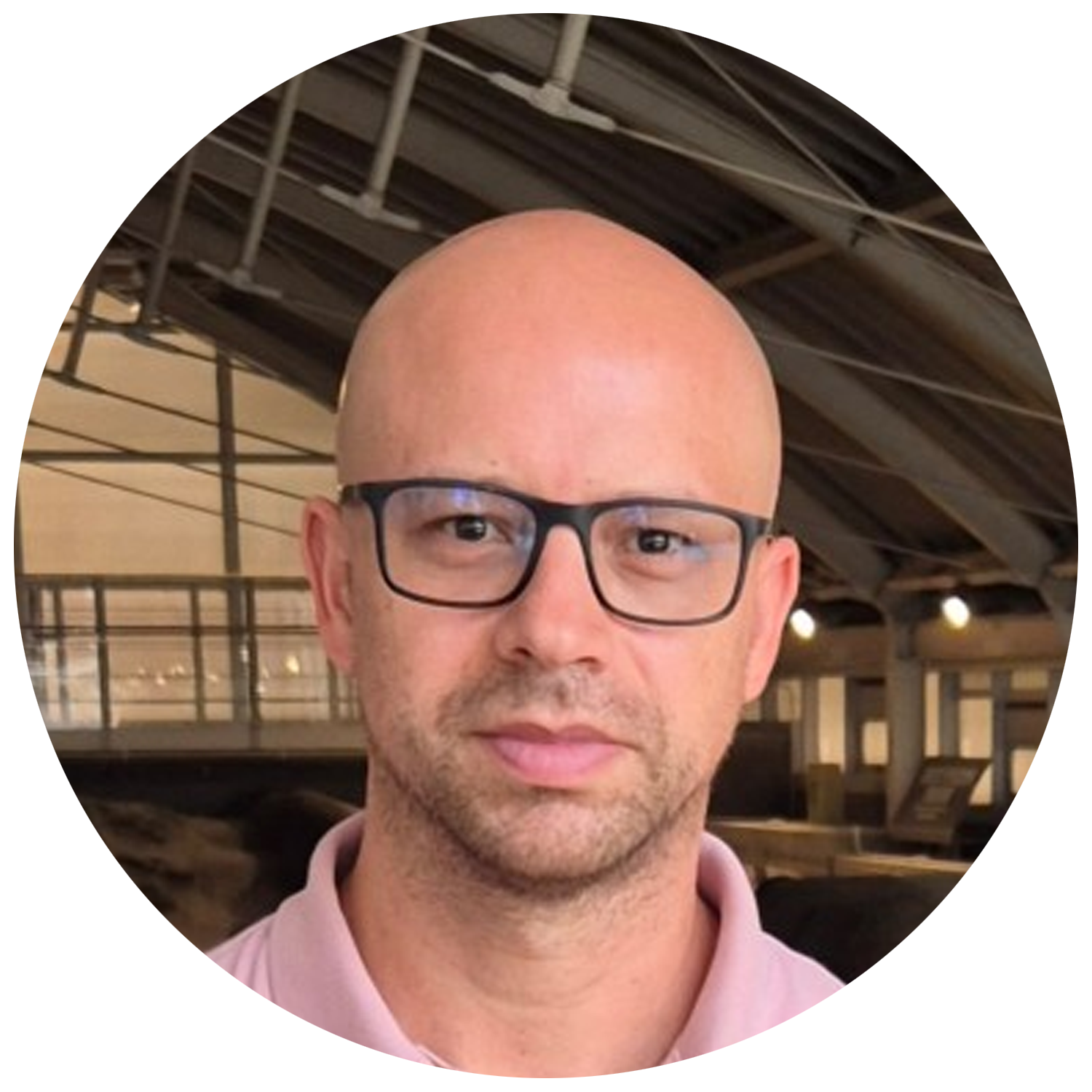
Diego Cordero
Is a civil engineer from the University of Costa Rica. He holds postgraduate studies in soil mechanics and geotechnical engineering from the same university and from the Center for Studies and Experimentation of Public Works (CEDEX) in Spain. He currently works as a consultant for public and private sector companies on projects related to shallow and deep foundations, slope stability, and highway geotechnics. He serves as President of the Seismic Geotechnical Committee of the Costa Rican Geotechnical Association, where he has held various board positions. He has received several national and international recognitions, including the Bayardo Selva Award from the Costa Rican Geotechnical Association. In addition, he teaches geotechnical courses for the College of Civil Engineers of Costa Rica. He is a member of the ISSMGE Technical Committee TC203 on Earthquake Geotechnical Engineering and Associated Problems, the GEER Association, and the Earthquake Engineering Research Institute (EERI).